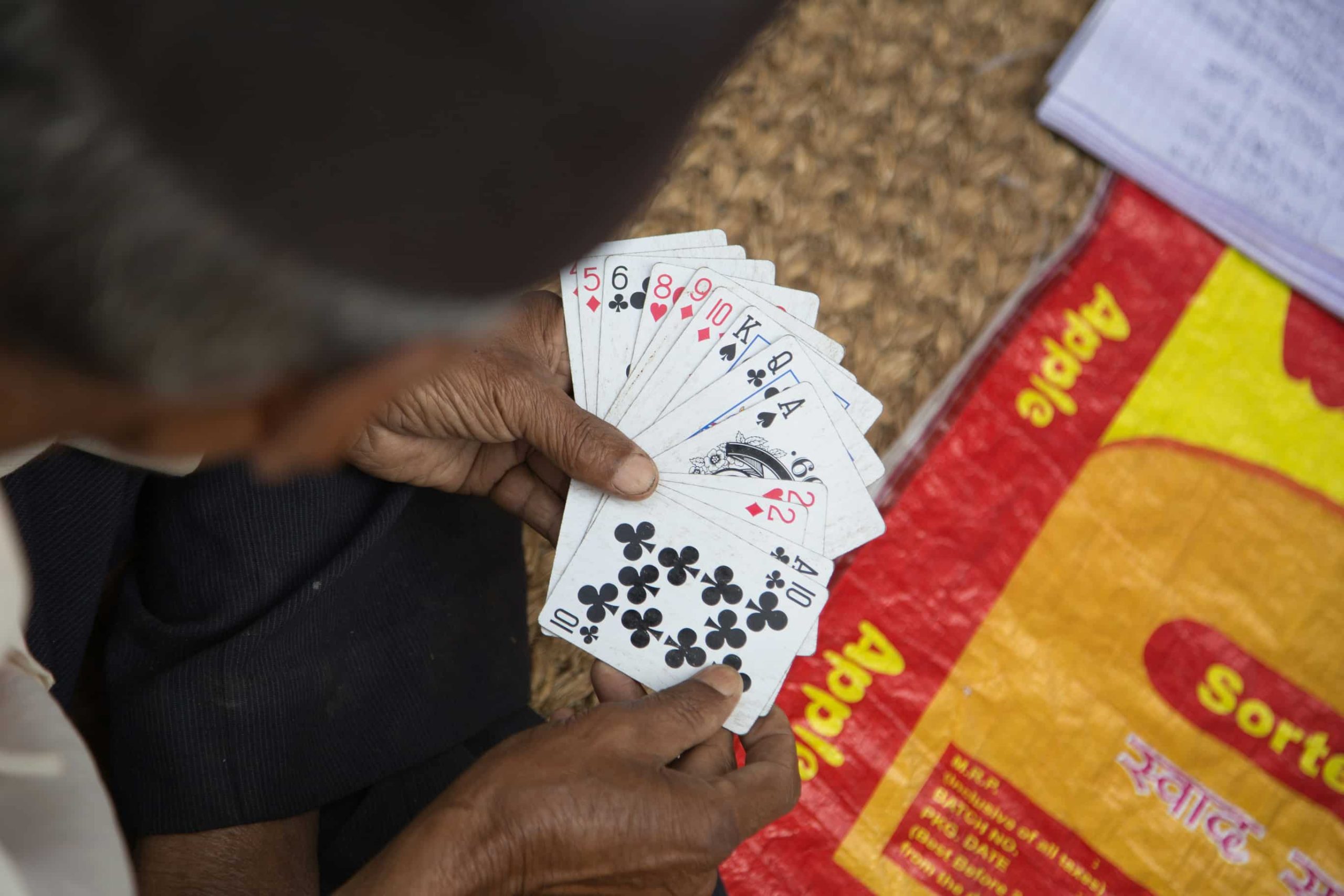
Gambling at the HellSpin casino is a widespread phenomenon in modern society. They range from classic games such as poker and roulette to modern digital offerings such as online casinos and sports betting. This article will focus on the impact of gambling on the economy and the labor market.
To do this, we will examine the economic impact of gambling, including tax revenues, the growth of the gambling industry and the impact on the tourism industry. We will also look at the impact of gambling on the labor market, including employment opportunities in the industry, job requirements and the impact on unemployment.
Gambling has both positive and negative effects on the economy and the labor market. On the positive side, they contribute to economic development through tax revenue and growth in the gaming industry. They also create jobs and contribute to the tourism industry. On the negative side, however, there are concerns about the impact of gambling addiction on society and the potential impact on crime and public safety. Therefore, it is important to carefully examine the impact of gambling in order to maximize the positive effects and minimize the negative effects.
Economic impact
One of the most important economic impacts of gambling is the tax revenue generated by regulating and taxing the industry. This revenue can be used for public spending such as education, health and security. In Germany, gambling is taxed via the so-called “amusement tax”, which can vary depending on the federal state.
Another important economic factor is the growth of the gambling industry. The industry generates jobs both directly and indirectly and contributes to economic growth. In Germany, the gambling industry has developed positively in recent years, particularly due to the boom in online gambling.
Gambling also has an impact on the tourism industry. Casinos and other gambling establishments can attract tourists and thus support the growth of the tourism industry. In Germany, too, there are some casinos and casinos that become tourist attractions and thus contribute to economic development.
Labor market
The gambling industry provides a variety of jobs. Some of which are directly related to the operation of gambling, while others are indirectly related. Jobs directly related to the operation of gambling. For example, croupiers, dealers, shift supervisors and security personnel. Indirectly related jobs include, for example, marketing, finance, IT and customer service.
The requirements for jobs in the gambling industry can vary depending on the position. Jobs directly related to gambling operations. Usually require specialized skills and knowledge. Such as proficiency in certain games and the ability to work under pressure. Jobs indirectly related to the operation of games of chance usually require more general skills and knowledge, such as marketing skills or IT skills.
The gambling industry helps to create jobs and thus reduce unemployment. However, the regulation of gambling can also have an impact on unemployment, especially if it leads to a reduction in supply. It is therefore important to carefully monitor and adjust gambling regulation to ensure that it does not negatively impact unemployment.
